
On-page SEO is one of the most important parts of search engine optimization. It focuses on optimizing individual web pages to improve search engine rankings and provide a better user experience. Unlike off-page SEO, on-page SEO allows you to directly control elements such as content, keywords, headings, images, and website structure.
However, ranking on Google requires more than just adding keywords. Therefore, you need a proper on-page SEO checklist to ensure that every important factor is optimized correctly.
In this guide, we will discuss 15 essential on-page SEO steps that can help improve your website visibility and rankings.
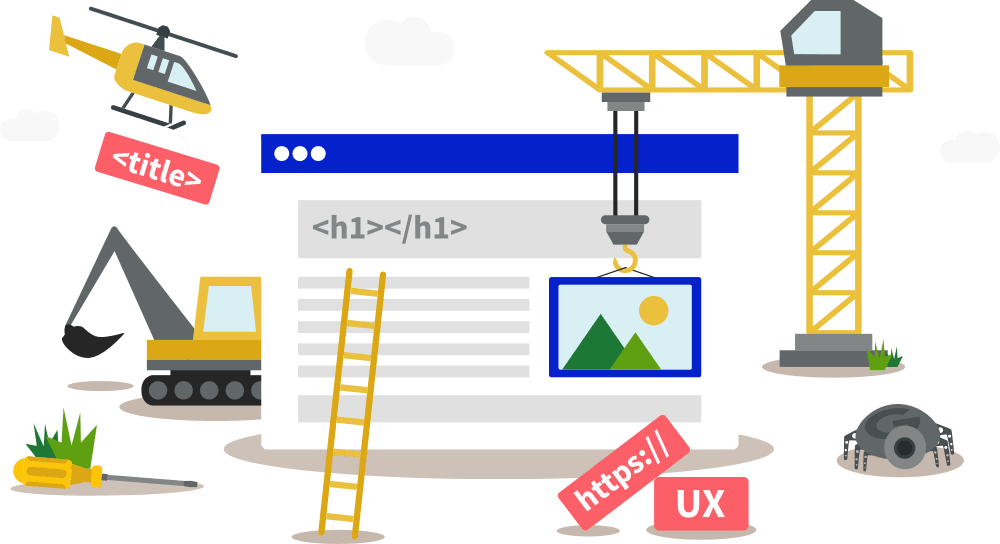
What Is On-Page SEO?
On-page SEO refers to the practice of optimizing elements within a webpage to help search engines understand the content and rank it higher in search results.
It includes:
- Content optimization
- Keyword placement
- Title tags
- Meta descriptions
- URL structure
- Internal linking
- Image optimization
- Page speed improvements
Simply put, on-page SEO helps search engines understand your content while making your website more useful for visitors.
On Page SEO Checklist: 15 Essential Steps
1. Perform Proper Keyword Research
Keyword research is the first step of on-page SEO. Before creating content, identify keywords that your target audience searches for.
Use relevant keywords naturally throughout your content instead of forcing them. Additionally, focus on long-tail keywords because they usually have less competition and better conversion potential.
Example:
Instead of targeting:
- SEO
Target:
- On Page SEO Checklist for Beginners
2. Optimize Your Title Tag
The title tag is one of the first things users see in search results. A well-optimized title improves your click-through rate.
Best practices:
- Include your primary keyword
- Keep it around 50–60 characters
- Make it attractive and clear
Example:
❌ SEO Checklist
✅ On Page SEO Checklist: 15 Steps to Improve Rankings
3. Write an Effective Meta Description
A meta description provides a short summary of your page. Although it does not directly improve rankings, it can increase clicks.
Tips:
- Include your main keyword
- Explain the benefit
- Keep it around 150–160 characters
4. Use Proper Heading Structure
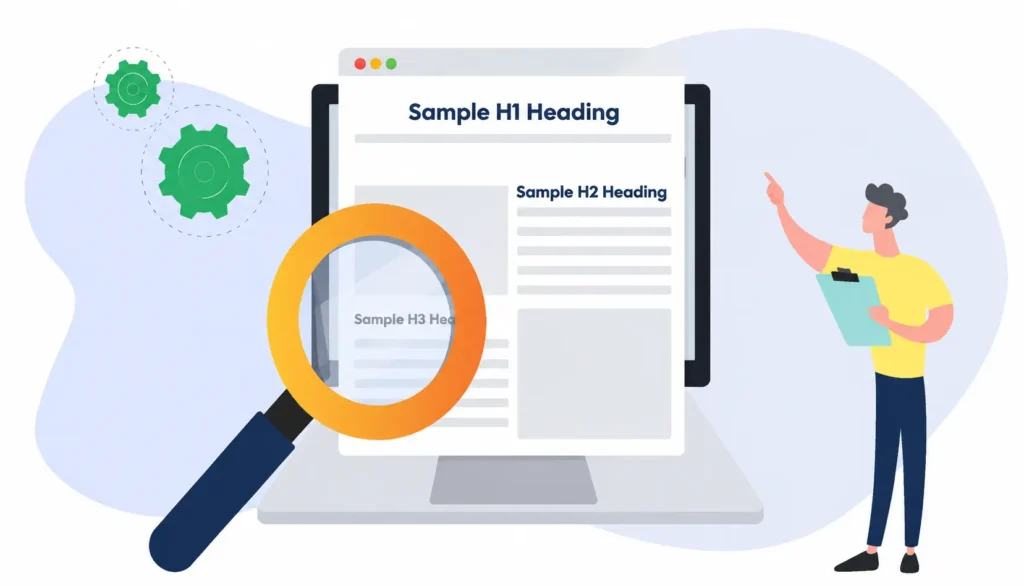
Headings organize your content and make it easier for users and search engines to understand.
Follow this structure:
- H1 → Main topic
- H2 → Main sections
- H3 → Supporting points
For example:
H1: On Page SEO Checklist
H2: Keyword Optimization
H3: Best Keyword Placement Practices
5. Optimize Keyword Placement
Keywords should appear naturally in important areas, including:
- Title tag
- First paragraph
- Headings
- URL
- Image alt text
However, avoid keyword stuffing because it can negatively affect user experience and rankings.
6. Create High-Quality Content
Content remains one of the most important ranking factors. Your content should answer users’ questions and provide useful information.
Good SEO content should be:
- Informative
- Easy to read
- Original
- Updated regularly
Moreover, adding examples, statistics, and practical tips can make your content more valuable.
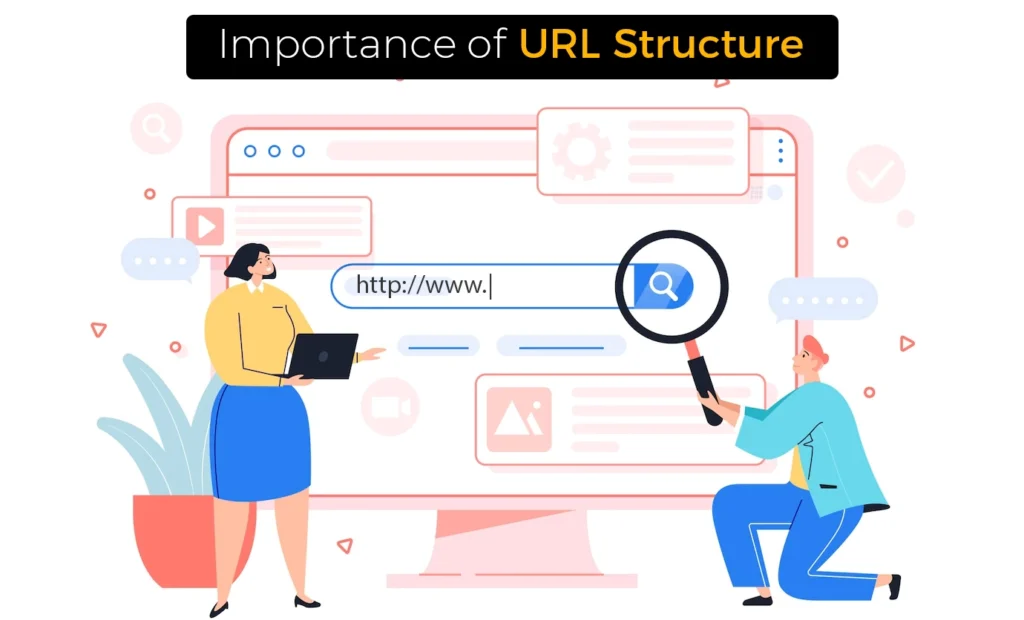
7. Create SEO-Friendly URLs
A clean URL helps users and search engines understand your page topic.
Good URL:
example.com/on-page-seo-checklist
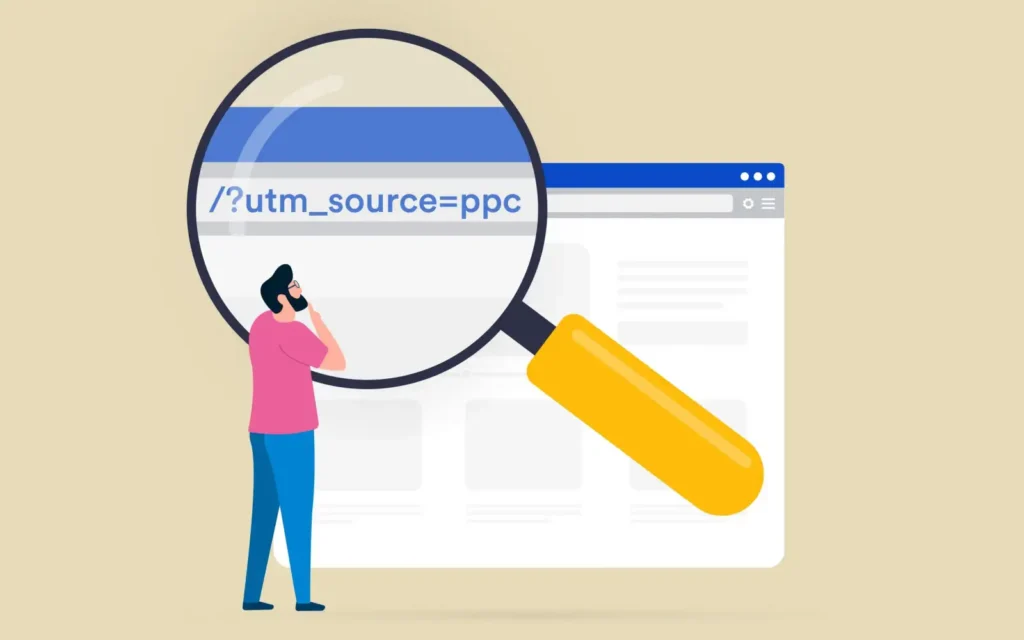
Bad URL:
example.com/page?id=12345
Keep URLs:
- Short
- Descriptive
- Keyword-focused
8. Add Internal Links
Internal links connect different pages on your website. They help users discover more content and allow search engines to crawl your website easily.
For example, a blog about SEO can link to another article about technical SEO.
9. Optimize Images
Images improve user experience, but large image files can slow down your website.
Follow these practices:
- Compress images
- Use descriptive file names
- Add alt text
- Choose the correct format
For example:
❌ IMG12345.jpg
✅ on-page-seo-checklist.jpg
10. Make Your Website Mobile-Friendly
Since many users browse websites through mobile devices, Google considers mobile usability an important ranking factor.
Make sure your website:
- Loads properly on mobile
- Has readable text
- Uses responsive design
- Provides easy navigation
11. Improve Page Speed
A slow website can increase bounce rates and reduce user satisfaction.
To improve speed:
- Compress images
- Reduce unnecessary plugins
- Use browser caching
- Optimize website code
12. Add Schema Markup
Schema markup helps search engines understand your content better.
It can improve your search appearance by showing:
- Reviews
- FAQs
- Product information
- Events
13. Improve Content Readability
Readable content keeps visitors engaged for longer.
To improve readability:
- Use short paragraphs
- Add bullet points
- Use simple language
- Include headings
Additionally, transition words like however, therefore, moreover, and similarly help create smoother content flow
14. Use Relevant External Links
External links to trusted websites can increase content credibility.
For example, linking to reliable industry sources can help users find additional information.
However, only use relevant and trustworthy links.
15. Update Your Content Regularly
SEO is not a one-time process. Search trends and user needs change over time.
Therefore, update old content by:
- Adding new information
- Improving outdated sections
- Updating statistics
- Fixing broken links
Regular updates help maintain rankings and improve user experience.

Benefits of Following an On-Page SEO Checklist
A proper on-page SEO strategy helps you:
- Improve Google rankings
- Increase organic traffic
- Provide a better user experience
- Improve website visibility
- Generate more leads and conversions
Frequently Asked Questions (FAQs)
An on-page SEO checklist is a list of optimization steps used to improve webpage rankings. It includes keyword optimization, content improvements, technical elements, and user experience factors.
On-page SEO helps search engines understand your content and improves your chances of ranking higher. It also creates a better experience for website visitors.
You should review your on-page SEO regularly, especially when search engine algorithms, user behavior, or industry trends change.
Yes, keyword placement helps search engines understand your page topic. However, keywords should be used naturally without over-optimization.
On-page SEO is essential, but successful rankings also require technical SEO, backlinks, website authority, and a strong content strategy.
Conclusion
On-page SEO plays a major role in improving website performance and search engine rankings. By following this 15-step on-page SEO checklist, you can optimize your website pages effectively.Remember, SEO requires consistency. Therefore, continue analyzing your website, updating content, and improving user experience to achieve long-term results.