

Social media has become one of the most powerful ways to build a personal brand, promote a business, and connect with customers. However, many people believe they must spend money on advertising to see results. The truth is that you can grow your social media accounts organically by using the right strategies, creating valuable content, and staying consistent.
Organic growth takes time, but it builds a loyal audience that genuinely cares about your content. Unlike paid advertising, organic marketing focuses on earning attention naturally through engaging posts, meaningful conversations, and high-quality content.
In this guide, you’ll learn practical strategies to grow on social media organically without paying for ads.
What Is Organic Social Media Growth?
Organic social media growth means increasing your followers, engagement, and reach without using paid advertisements. Instead of paying platforms to promote your content, you rely on valuable posts, audience interaction, and platform algorithms.
Organic growth helps you:
- Build trust with your audience.
- Increase brand awareness.
- Create long-term relationships.
- Improve customer loyalty.
- Generate consistent traffic to your website.
Although organic growth requires patience, the results are usually more sustainable.
Why Organic Growth Matters
Many brands focus only on paid ads because they deliver quick results. However, organic marketing offers benefits that paid campaigns cannot always provide.
| Organic Growth | Paid Advertising |
|---|---|
| Builds long-term trust | Produces immediate traffic |
| Costs little or nothing | Requires a continuous budget |
| Attracts loyal followers | Often attracts temporary visitors |
| Strengthens brand authority | Stops when the budget ends |
| Improves community engagement | Focuses mainly on conversions |
Therefore, combining consistency with valuable content often produces excellent long-term results.
1. Know Your Target Audience
Before creating content, understand who you want to reach.
Ask yourself:
- What problems do they face?
- What content do they enjoy?
- Which social media platform do they use most?
- What questions do they frequently ask?
Once you know your audience, you can create content that solves their problems instead of simply promoting your products.
2. Choose the Right Platforms
You do not need to be active everywhere.
Instead, focus on platforms where your audience spends the most time.
| Platform | Best For |
| Communities, local businesses, groups | |
| Photos, reels, stories, brands | |
| Professionals and B2B marketing | |
| TikTok | Short videos and younger audiences |
| X (Twitter) | News, trends, conversations |
| DIY, fashion, recipes, blogging |
Choosing one or two platforms allows you to produce better content consistently.
3. Create High-Quality Content
Content remains the foundation of organic growth.
Every post should educate, entertain, inspire, or solve a problem.
Examples include:
- Educational tips
- Tutorials
- Behind-the-scenes content
- Customer success stories
- Industry news
- Product demonstrations
- Infographics
- Short videos
- Carousels
- FAQs
High-quality content encourages people to like, comment, save, and share your posts.
4. Post Consistently
Consistency helps social media algorithms recognize active creators.
Instead of posting randomly, create a content schedule.
Example weekly plan:

| Day | Content Idea |
| Monday | Educational tip |
| Tuesday | Behind-the-scenes |
| Wednesday | Carousel or infographic |
| Thursday | Customer story |
| Friday | Reel or short video |
| Saturday | Poll or Q&A |
| Sunday | Weekly recap |
Even posting three or four times each week can produce excellent results when you stay consistent.
5. Focus on Video Content
Short-form videos receive higher engagement on most platforms.
For example, you can create:
- Instagram Reels
- TikTok videos
- YouTube Shorts
- Facebook Reels


Keep videos:
- Short
- Informative
- Visually appealing
- Easy to understand
Additionally, include captions because many users watch videos without sound.
6. Write Captions That Encourage Interaction
Instead of ending your caption with a statement, ask a question.
Examples:
- What’s your biggest challenge?
- Do you agree?
- Which tip helped you the most?
- Share your opinion below.
Questions naturally encourage more comments.
7. Use Relevant Hashtags
Hashtags help people discover your content.
However, avoid stuffing dozens of unrelated hashtags.
Use:
- Industry hashtags
- Niche hashtags
- Location hashtags
- Branded hashtags
For example:
- #DigitalMarketing
- #SocialMediaTips
- #SmallBusiness
- #ContentCreator
- #MarketingStrategy
Choose quality over quantity.
8. Engage With Your Audience Daily
Posting alone is not enough.

Spend time:
- Replying to comments
- Answering messages
- Liking relevant posts
- Joining conversations
- Thanking followers
As a result, social media platforms recognize your account as active and engaging.
9. Collaborate With Other Creators
Partnerships help you reach new audiences.
You can collaborate through:
- Live sessions
- Interviews
- Guest posts
- Joint giveaways
- Collaborative reels
- Podcast appearances
Both creators benefit from increased visibility.
10. Optimize Your Profile
Your profile creates the first impression.
Make sure it includes:
- A professional profile photo
- A clear bio
- Relevant keywords
- Website link
- Contact information
- Consistent branding
A complete profile increases credibility.
11. Use Story Features
Stories help maintain daily engagement.
You can post:
- Polls
- Quizzes
- Questions
- Product updates
- Daily tips
- Behind-the-scenes moments
Interactive stickers often increase audience participation.
12. Share User-Generated Content
User-generated content builds trust because real customers recommend your brand.
Examples include:
- Reviews
- Testimonials
- Customer photos
- Product videos
- Success stories
Always ask for permission before reposting.
13. Follow Social Media Trends
Trends can increase visibility quickly.
However, only participate in trends that match your brand.


Examples include:
- Trending audio
- Viral challenges
- Seasonal events
- Popular memes
- Industry discussions
Relevant trends keep your content fresh.
14. Analyze Your Performance
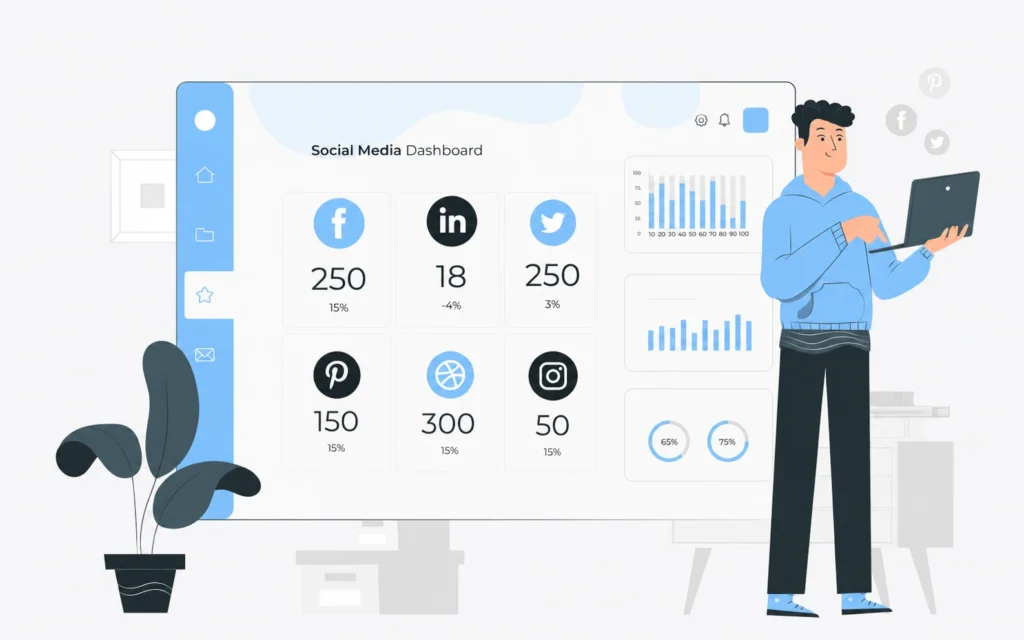
Regularly review your analytics to understand what works.
Track:
| Metric | Why It Matters |
| Reach | Shows how many people saw your content |
| Engagement Rate | Measures audience interaction |
| Shares | Indicates valuable content |
| Saves | Reflects useful posts |
| Comments | Shows community engagement |
| Follower Growth | Tracks audience expansion |
| Website Clicks | Measures traffic generation |
Use these insights to improve future content.
15. Be Patient and Stay Consistent
Organic growth rarely happens overnight.
Many successful creators spent months—or even years—building loyal communities.
Instead of chasing viral posts, focus on providing value every week. Over time, your audience will grow naturally.
Best Practices for Organic Social Media Growth
| Best Practice | Benefit |
| Create valuable content | Builds trust |
| Post consistently | Improves visibility |
| Reply to comments | Increases engagement |
| Use short-form videos | Reaches more users |
| Optimize your profile | Improves credibility |
| Track analytics | Helps refine your strategy |
| Collaborate with creators | Expands your audience |
| Follow trends wisely | Boosts discoverability |
Frequently Asked Questions (FAQs)
Yes. By posting valuable content, engaging with your audience, using relevant hashtags, and staying consistent, you can grow organically without paying for ads.
It varies depending on your niche and consistency. Many accounts begin seeing steady results within three to six months, while significant growth often takes longer.
Instagram, TikTok, LinkedIn, Facebook, Pinterest, and YouTube all offer strong organic opportunities. The best choice depends on your target audience and content type.
Aim to post at least three to five times per week. More importantly, maintain a consistent schedule rather than posting frequently for a short period.
Yes. Relevant and niche-specific hashtags can improve discoverability, especially on platforms like Instagram and LinkedIn. Avoid using unrelated or excessive hashtags.
Short-form videos, educational posts, carousels, behind-the-scenes content, tutorials, and interactive stories generally receive the highest engagement.
Absolutely. Responding to your audience builds trust, strengthens relationships, and signals to social media algorithms that your account is active.
Organic growth builds long-term trust and a loyal community, while paid advertising delivers faster visibility. For many brands, combining both approaches produces the best results.
Conclusion
Growing on social media organically without paying for ads is possible, but it requires patience, consistency, and a clear strategy. Instead of focusing only on gaining followers, concentrate on creating valuable content that educates, entertains, or solves problems for your audience.
Moreover, engage with your community every day, post consistently, and analyze your performance to understand what resonates most. Over time, these efforts will help you build a loyal audience, increase engagement, and strengthen your online presence without relying on paid advertising.
Remember, sustainable growth comes from authentic connections. Therefore, keep learning, experiment with different content formats, and stay committed to delivering value.