
Email marketing remains one of the most effective digital marketing strategies for building relationships, nurturing leads, and increasing sales. While social media algorithms change frequently, email gives businesses direct access to their audience. However, simply sending promotional emails is not enough. You need a well-structured email marketing funnel that guides potential customers from awareness to purchase and beyond.
An email marketing funnel helps businesses deliver the right message at the right time. Instead of sending the same email to everyone, you communicate based on where subscribers are in their buying journey. As a result, you build trust, improve engagement, and boost conversions.
In this guide, you’ll learn what an email marketing funnel is, how it works, why it matters, and how to create one that delivers measurable results.
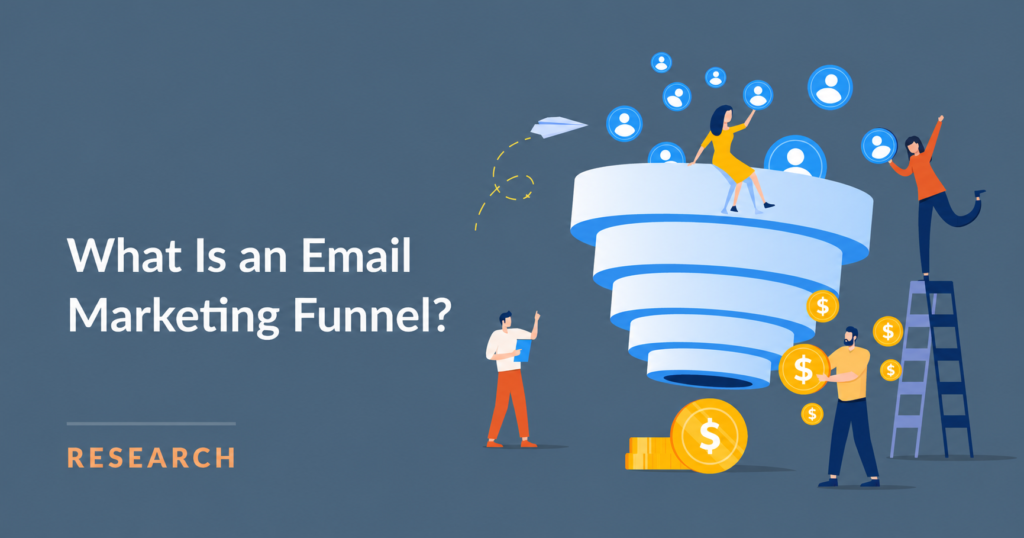
What Is an Email Marketing Funnel?
An email marketing funnel is a step-by-step process that uses targeted email campaigns to move subscribers through the customer journey. It starts when someone joins your email list and continues until they become loyal customers and brand advocates.
Each stage of the funnel serves a specific purpose. For example, some emails introduce your brand, while others educate subscribers or encourage them to make a purchase.
Instead of overwhelming your audience with constant promotions, an email marketing funnel builds relationships through valuable and relevant communication.
Why Is an Email Marketing Funnel Important?
Without a structured funnel, businesses often send random emails that fail to engage subscribers. A strategic funnel ensures every email has a clear purpose.
Benefits of an Email Marketing Funnel
- Builds trust with subscribers.
- Nurtures leads automatically.
- Improves customer engagement.
- Increases conversion rates.
- Encourages repeat purchases.
- Strengthens customer loyalty.
- Saves time through automation.
- Delivers personalized experiences.
Therefore, businesses that use email funnels often achieve better long-term marketing results.
Stages of an Email Marketing Funnel
Understanding each stage helps you create emails that match your audience’s needs.
| Funnel Stage | Goal | Email Examples |
|---|---|---|
| Awareness | Introduce your brand | Welcome email, lead magnet delivery |
| Interest | Educate subscribers | Blog posts, guides, newsletters |
| Consideration | Build trust | Case studies, testimonials, product comparisons |
| Conversion | Encourage purchases | Discount offers, product recommendations |
| Retention | Keep customers engaged | Follow-up emails, loyalty rewards, exclusive offers |
Each stage moves subscribers one step closer to becoming loyal customers.
Step 1: Build a Quality Email List
A successful funnel starts with an engaged email list.
Instead of purchasing email lists, focus on attracting people who genuinely want to hear from your business.
Effective Ways to Grow Your Email List
- Offer a free eBook.
- Create downloadable checklists.
- Provide exclusive discounts.
- Host webinars.
- Share free templates.
- Add website signup forms.
- Use pop-ups wisely.
- Promote your newsletter on social media.
Quality subscribers are far more valuable than a large but inactive list.
Step 2: Create an Engaging Welcome Email
The welcome email creates your first impression.
Therefore, introduce your brand, thank subscribers for joining, and explain what they can expect from future emails.
Include:
- A friendly welcome message.
- Your brand story.
- Helpful resources.
- A clear call-to-action.
- Links to your website and social media profiles.
A strong welcome email increases trust from the beginning.
Step 3: Nurture Your Subscribers
After welcoming new subscribers, continue providing value instead of immediately promoting products.
Helpful content includes:
- Educational articles.
- Industry news.
- Helpful tips.
- Video tutorials.
- Frequently asked questions.
- Success stories.
- Product guides.
As subscribers gain confidence in your expertise, they become more likely to purchase.
Step 4: Segment Your Audience
Not every subscriber has the same interests.
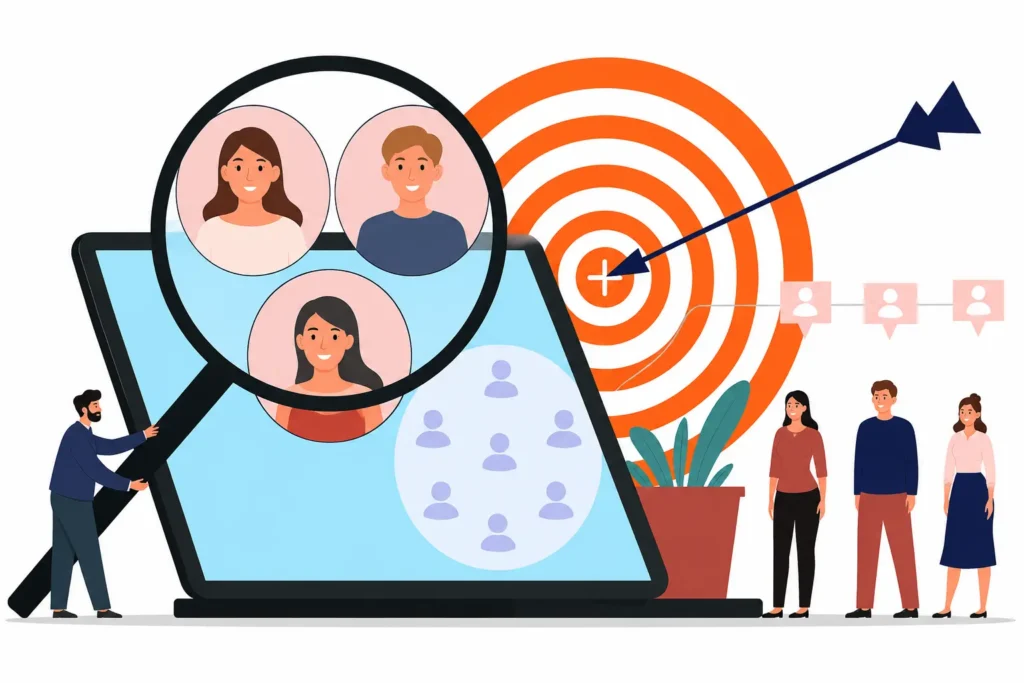
Segmentation allows you to send relevant emails to different groups.
You can segment based on:
- Location.
- Purchase history.
- Website activity.
- Interests.
- Age group.
- Customer status.
- Engagement level.
Personalized emails often achieve higher open and click-through rates.
Step 5: Use Email Automation
Automation saves time while delivering consistent communication.
For example, you can automate:
| Automated Email | Purpose |
| Welcome Email | Introduce your brand |
| Lead Nurturing | Educate subscribers |
| Abandoned Cart | Recover lost sales |
| Product Recommendation | Increase conversions |
| Follow-Up Email | Encourage repeat purchases |
| Birthday Email | Build customer relationships |
| Re-Engagement Email | Win back inactive subscribers |
Automation ensures subscribers receive timely messages without manual effort.
Step 6: Write Compelling Subject Lines
Your subject line determines whether subscribers open your email.
Best Practices
- Keep it short.
- Create curiosity.
- Highlight benefits.
- Avoid spammy words.
- Personalize when possible.
- Test different variations.
Examples:
- Welcome to Our Community!
- Your Free Guide Is Here
- Ready to Grow Your Business?
- Don’t Miss This Opportunity
Strong subject lines improve open rates significantly.
Step 7: Include Clear Calls-to-Action (CTAs)
Every email should guide readers toward one primary action.
Examples include:
- Download Now
- Learn More
- Shop Today
- Book a Free Consultation
- Read the Blog
- Start Your Free Trial
A clear CTA makes it easier for subscribers to take the next step.
Step 8: Optimize for Mobile Devices
Many people check emails on smartphones.
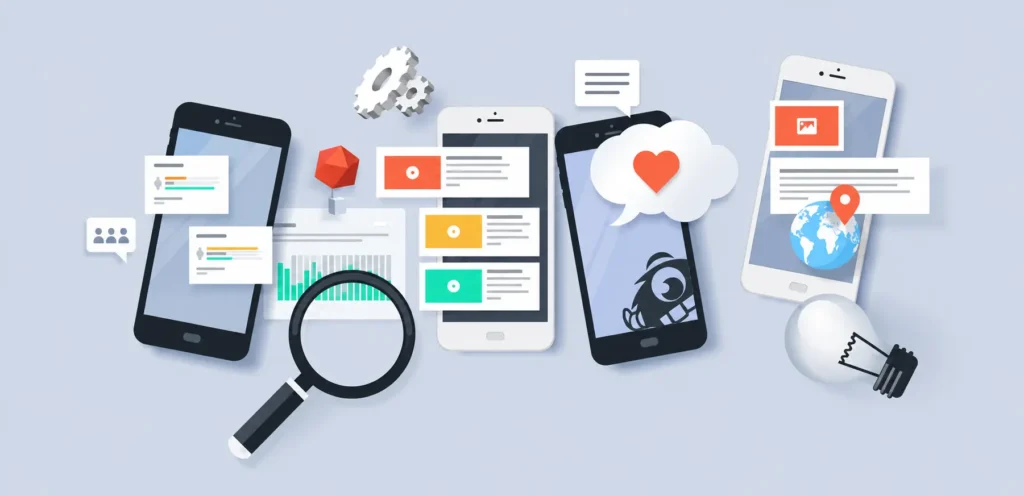
Therefore, ensure your emails are:
- Mobile-friendly.
- Easy to read.
- Fast-loading.
- Responsive.
- Well-spaced.
- Simple to navigate.
A positive mobile experience increases engagement.
Step 9: Test and Improve Your Campaigns
Continuous improvement leads to better performance.
Monitor important metrics such as:
| Metric | Why It Matters |
| Open Rate | Measures subject line effectiveness |
| Click-Through Rate | Tracks engagement |
| Conversion Rate | Measures sales or signups |
| Bounce Rate | Identifies delivery issues |
| Unsubscribe Rate | Indicates content relevance |
| Revenue | Measures campaign success |
Use these insights to refine future campaigns.
Common Mistakes to Avoid
Avoid these common email marketing mistakes:
- Buying email lists.
- Sending too many emails.
- Ignoring audience segmentation.
- Using weak subject lines.
- Forgetting mobile optimization.
- Writing overly promotional emails.
- Not testing campaigns.
- Ignoring analytics.
By avoiding these errors, you improve subscriber satisfaction and campaign performance.
Best Practices for an Effective Email Marketing Funnel
| Best Practice | Benefit |
| Grow an organic email list | Attracts qualified subscribers |
| Segment your audience | Improves personalization |
| Send valuable content | Builds trust |
| Automate email sequences | Saves time |
| Optimize for mobile | Improves user experience |
| Include strong CTAs | Encourages action |
| Monitor analytics | Improves campaign performance |
| Test subject lines | Increases open rates |
Following these best practices helps create a funnel that supports long-term business growth.
Frequently Asked Questions (FAQs)
An email marketing funnel is a series of targeted emails designed to guide subscribers from initial awareness to becoming loyal customers.
It helps businesses nurture leads, build trust, increase engagement, and improve conversion rates through personalized communication.
The main stages are Awareness, Interest, Consideration, Conversion, and Retention.
You can grow your list by offering lead magnets, newsletters, free resources, discounts, webinars, and signup forms on your website.
Email segmentation involves dividing subscribers into groups based on factors such as interests, behavior, location, or purchase history to send more relevant emails.
Email automation allows businesses to send pre-scheduled emails based on subscriber actions, such as welcome emails, abandoned cart reminders, and follow-up messages.
Track open rate, click-through rate, conversion rate, bounce rate, unsubscribe rate, and overall revenue to measure campaign success.
The ideal frequency depends on your audience. For most businesses, one to four emails per month works well, provided each email offers value and remains relevant.
Conclusion
An email marketing funnel is more than a sequence of emails—it is a strategy for building meaningful relationships with your audience. By delivering valuable content at every stage of the customer journey, you can nurture leads, increase conversions, and encourage long-term customer loyalty.
Moreover, businesses that focus on personalization, automation, and continuous optimization often achieve the best results. Start by understanding your audience, creating valuable email content, and measuring your performance. Over time, your email marketing funnel will become a reliable tool for driving consistent growth and maximizing conversions.