
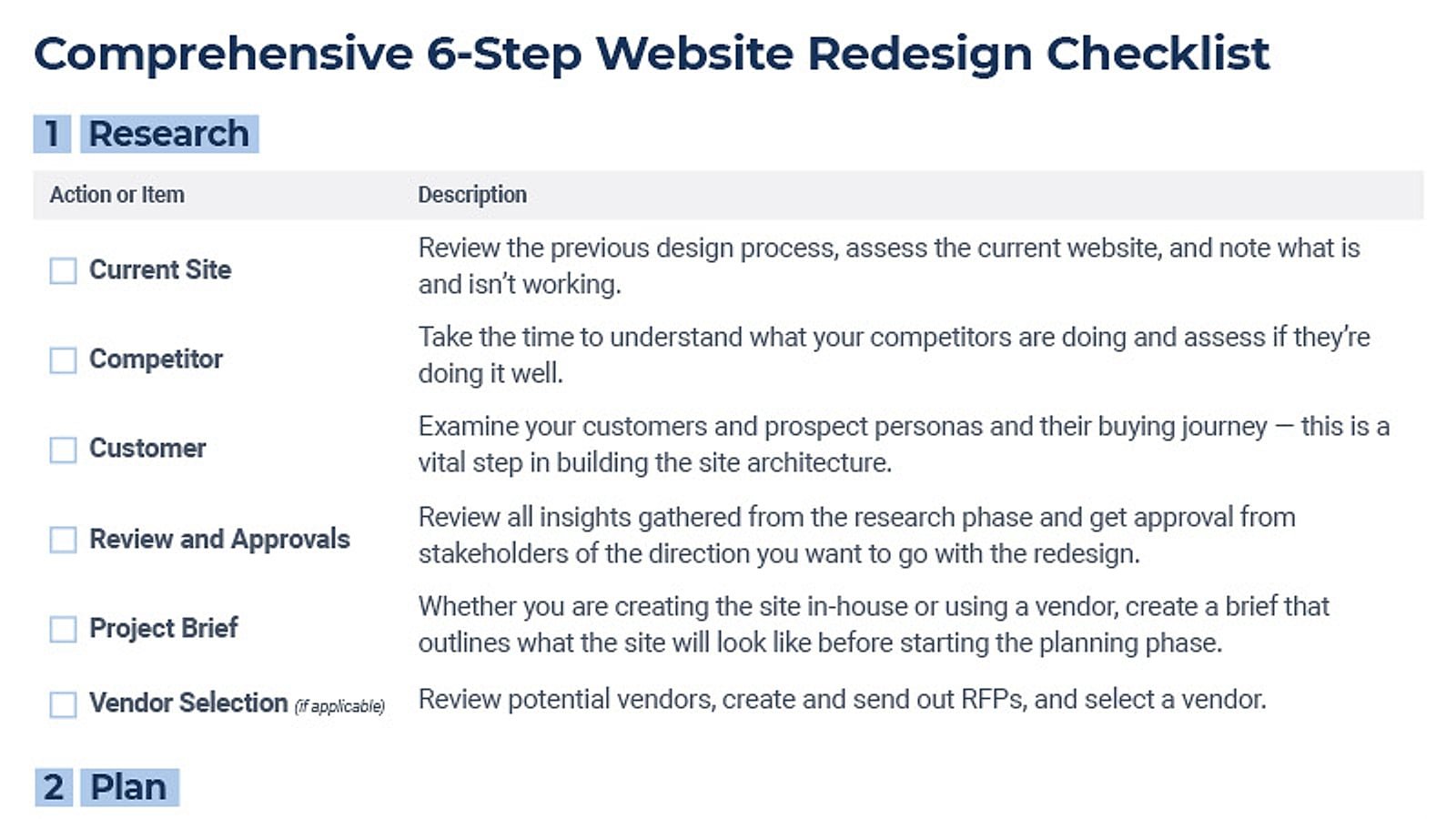
Embarking on a website redesign is an exciting milestone for any brand, but it also carries significant risks for your digital presence. Without careful preparation, a visual update can inadvertently dismantle the technical foundations that drive your organic search visibility. On Page SEO Checklist: 15 Essential Steps to Improve Your Rankings How to Rank on Google: A Complete Guide to Improving Your Website’s Search Visib AI Chatbot for Website: How to Improve Customer Engagement and Increase Conversi
Search engines remain your most reliable and cost-effective source of traffic over the long term. Preserving that equity requires a methodical approach that integrates search optimization directly into every phase of the development lifecycle.
By utilizing a structured framework from strategy formulation to post-launch monitoring, you can successfully update your digital storefront without sacrificing the search authority you have worked hard to build.
Why SEO Needs a Seat at the Table from Day One
Why should SEO be involved at the start of a website redesign? Delaying SEO planning can lead to costly traffic drops and search visibility issues that take months to recover from. When web developers, designers, and marketers operate in silos, technical requirements often clash with search engine best practices, resulting in lost rankings.
SEO needs a seat at the table from day one during strategy and content planning. Involving search specialists early ensures that architectural decisions, URL frameworks, and content migrations support organic performance rather than hindering it. Designing a site first and thinking about search optimization later is a recipe for technical friction.
Search engines remain your most reliable and cost-effective source of traffic. Because organic visitors typically convert at higher rates than paid channels, protecting this channel is paramount for business continuity. Integrating search strategy into the initial wireframing phase safeguards your baseline revenue and positions the new site for sustainable growth upon launch.
Furthermore, early involvement allows technical teams to audit existing assets properly. They can identify high-performing pages that must remain untouched or securely redirected, ensuring that user intent and keyword targets are preserved across the new architecture.
Business Objectives That Affect SEO
How do core business goals impact search performance during a relaunch? Modern organizations often prioritize aesthetic overhauls and feature expansions without considering how these changes alter search engine crawlability and indexation. Aligning modern functionality and speed requirements with search engine visibility is critical to maintaining your competitive edge online.
Balancing visual refreshes and UX improvements with existing search equity requires careful coordination between brand stakeholders and technical teams. A sleek new interface loses its value if potential customers cannot find your offerings via search engines due to obscured text, missing metadata, or bloated code that ruins core web vitals.
Involving search stakeholders early prevents critical site structure mistakes. When executive business objectives—such as rebranding, merging product lines, or expanding into new markets—are mapped out alongside search data, the resulting site architecture reinforces both brand evolution and organic discoverability.
Ultimately, a successful redesign honors historical performance while adopting modern technological standards. By bridging the gap between aesthetic goals and search requirements, organizations can deliver a fast, visually stunning experience that search engines can easily crawl, interpret, and rank.
What’s at Risk During a Website Relaunch
What specific SEO elements are endangered when launching a new site? A mismanaged redesign can cause traffic drops of 20 to 50 percent, severely impacting lead generation and e-commerce revenue streams during the transition period.
There is an inherent risk of losing indexed pages and valuable inbound backlinks that have taken years to accumulate. When URLs change without proper mapping, external links pointing to your old pages begin throwing 404 errors, leaking valuable PageRank and frustrating users.
Potential hazards include broken internal links, redirect chains, and URL structure shifts. If internal navigation points to legacy URLs or if redirects are chained together across multiple hops, search engine crawlers waste crawl budget and struggle to index the new site efficiently.
Mitigating these risks requires a comprehensive inventory of all existing URLs, a rigorous 301 redirect map, and extensive pre-launch staging environment audits. Identifying vulnerabilities before they impact production environments is the only way to safeguard your digital footprint.
Mistakes to Avoid During Your SEO Website Redesign
What common errors cause search visibility crashes after going live? Treating SEO as a final checklist item during QA instead of planning from day one is the most frequent culprit behind catastrophic post-launch traffic collapses.
Allowing design changes that harm accessibility or page load speed will actively degrade your search performance. Modern search algorithms heavily penalize slow-loading templates, heavy uncompressed imagery, and interactive elements that block the main thread during rendering.
Failing to map page templates and navigation structures properly before building leads to orphaned pages and lost internal link equity. When menus are drastically altered without data-driven justification, user pathways break, and search engines lose context regarding page hierarchy and importance.
Avoiding these pitfalls demands discipline, cross-departmental communication, and strict adherence to technical benchmarks. By treating search visibility as a core component of the redesign rather than an afterthought, you ensure a seamless transition that protects your hard-earned rankings.
Slight Dips in Traffic Are Normal After a Redesign
Should I panic if organic traffic fluctuates immediately post-launch? Slight dips in traffic are normal after a redesign as search engines recrawl, re-index, and evaluate the updated site architecture and content presentation.
Traffic losses after a redesign aren’t inevitable, but they are common when minor technical oversights occur during deployment. Search engines need time to process changes, test user engagement signals on new layouts, and update their index accordingly.
With the right planning and proper SEO execution, traffic drops are completely preventable. Proactive monitoring, immediate resolution of crawl errors, and verified redirect maps keep volatility to an absolute minimum during the transition phase.
Remaining patient while closely monitoring server logs and search console data allows your team to distinguish between normal algorithmic readjustment periods and actual technical defects. Trusting the pre-launch preparation ensures a confident, steady recovery to peak performance levels.
Frequently Asked Questions
How long does a typical website redesign take?
A standard website redesign project typically takes between 3 to 6 months from the initial discovery phase to launch. This timeline depends heavily on the site’s size, complexity, content migration needs, and custom feature development.
What is the most important step in a website redesign checklist?
Establishing clear business objectives and a comprehensive SEO strategy at the very beginning of the project is crucial. This ensures that visual updates align with conversion goals and that existing search engine rankings are not lost during the transition.
How do you prevent a drop in SEO rankings after a website redesign?
To protect your search rankings, you must implement a complete 301 redirect map that points old URLs to their new equivalents. Additionally, you should audit your meta tags, maintain internal linking structures, and submit an updated XML sitemap to search engines upon launch.
When should you perform security verifications during a redesign?
Security verifications and SSL certificate installations should be thoroughly tested in a staging environment prior to the public launch. Conducting these checks early prevents downtime, prevents data breaches, and ensures a secure HTTPS protocol is active on day one.
Why is mobile responsiveness critical for a new website design?
Mobile responsiveness is essential because search engines like Google use mobile-first indexing to evaluate and rank websites. With mobile devices accounting for over 50 percent of global web traffic, a non-responsive design will severely hurt both user experience and conversion rates.
What tools should be included in a website redesign toolkit?
A robust redesign toolkit should include content management systems, wireframing software like Figma, SEO auditing tools like Screaming Frog, and accessibility checkers. Utilizing these tools helps teams catch technical errors, broken links, and accessibility compliance issues before the site goes live.