
Running a small business is exciting, but it also comes with many challenges. Business owners often wear multiple hats, managing marketing, customer support, accounting, inventory, and sales all at once. As competition increases, finding ways to work smarter instead of harder has become essential. This is where Artificial Intelligence (AI) comes in.
AI tools are no longer designed only for large corporations with huge budgets. Today, affordable and easy-to-use AI solutions help small businesses automate repetitive tasks, improve customer experiences, and make smarter business decisions. Whether you own an online store, a local business, or a service-based company, AI can save valuable time while reducing operational costs.
In this guide, you’ll discover the best AI tools for small businesses, their benefits, practical use cases, and how they can help your business grow faster.
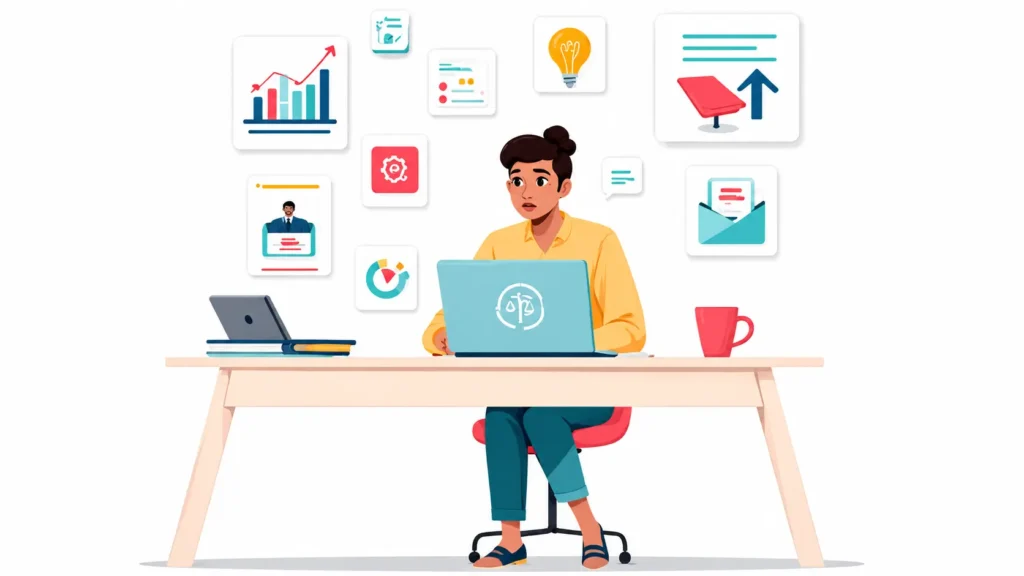
What Are AI Tools?
AI tools are software applications that use artificial intelligence to perform tasks that normally require human intelligence. These tasks include:
- Writing content
- Answering customer questions
- Analyzing business data
- Creating marketing campaigns
- Managing emails
- Predicting customer behavior
- Automating repetitive work
Instead of replacing employees, AI helps teams become more productive by handling routine work efficiently.
Why Small Businesses Should Use AI
Small businesses often have limited budgets and fewer employees. AI helps bridge this gap by increasing productivity without significantly increasing costs.
Major Benefits of AI
- Saves time through automation
- Reduces operating expenses
- Improves customer service
- Increases employee productivity
- Creates high-quality marketing content
- Helps make data-driven decisions
- Supports business growth without hiring large teams
Top AI Tools for Small Businesses
| AI Tool | Best For | Key Benefit |
|---|---|---|
| ChatGPT | Content writing & customer support | Creates blogs, emails, and answers questions |
| Canva AI | Graphic design | Quickly designs social media posts and presentations |
| Grammarly | Writing improvement | Fixes grammar and improves clarity |
| Jasper AI | Marketing copy | Creates ads, landing pages, and email campaigns |
| Zapier AI | Workflow automation | Connects apps and automates repetitive tasks |
| Notion AI | Productivity | Organizes notes, summaries, and project planning |
| QuickBooks AI | Accounting | Tracks expenses and automates bookkeeping |
| HubSpot AI | Sales & CRM | Improves customer relationship management |
How AI Saves Time
Time is one of the most valuable resources for any business owner. AI can automate repetitive tasks that normally consume hours every week.
Examples of Time-Saving Tasks
- Scheduling meetings
- Responding to customer inquiries
- Writing blog posts
- Creating product descriptions
- Managing inventory
- Sending follow-up emails
- Generating invoices
- Organizing files
Instead of spending hours completing these activities manually, AI can perform many of them within minutes.
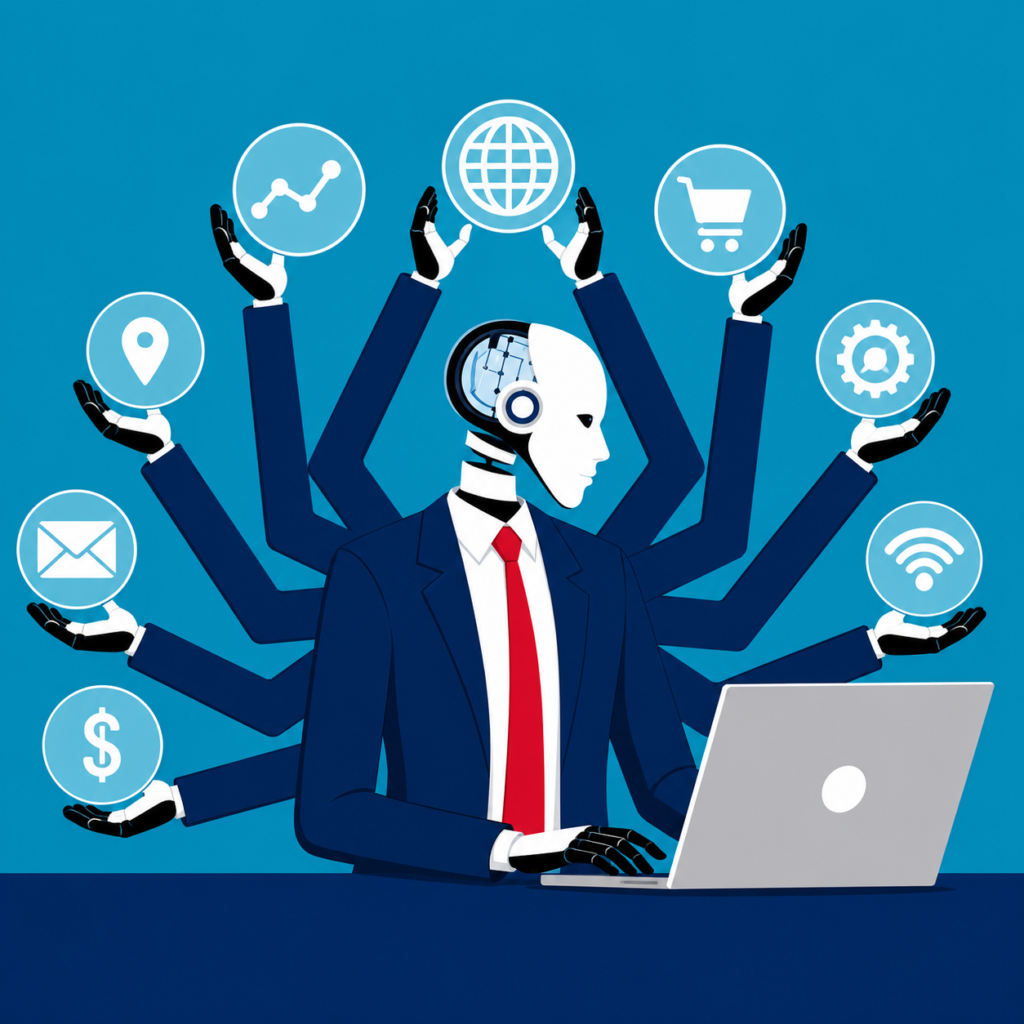
How AI Helps Reduce Costs
Hiring additional employees is expensive. AI allows businesses to accomplish more with smaller teams.
Ways AI Reduces Business Costs
- Automates customer support with chatbots
- Reduces manual data entry
- Minimizes human errors
- Speeds up content creation
- Optimizes advertising campaigns
- Improves inventory management
- Reduces training time for repetitive tasks
Although AI requires some investment, the long-term savings often outweigh the initial cost.
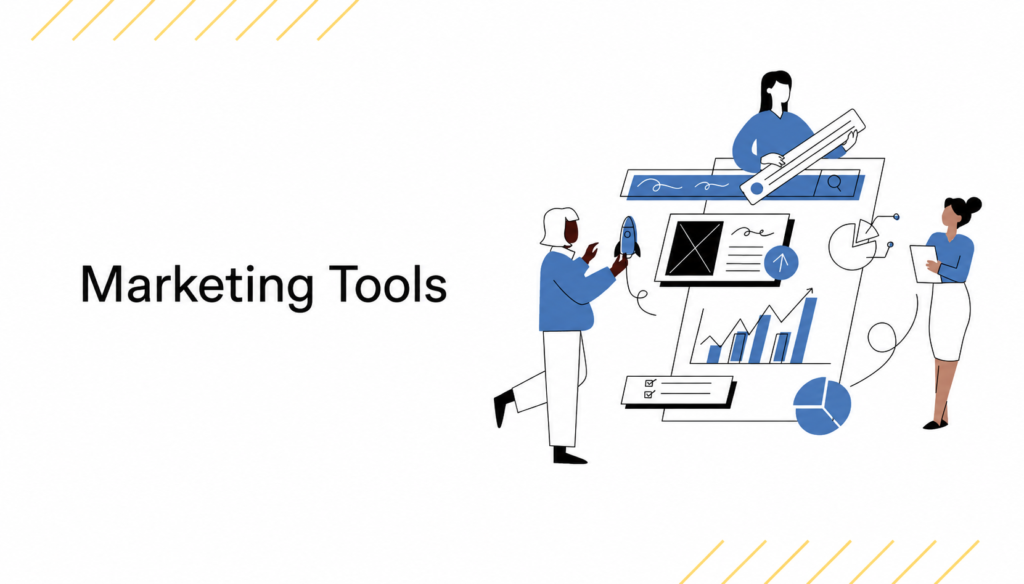
AI for Marketing
Marketing is one of the areas where AI provides the biggest benefits.
AI can help businesses:
- Generate blog articles
- Write SEO content
- Create social media captions
- Design advertisements
- Produce email newsletters
- Analyze campaign performance
- Suggest keywords
- Generate video scripts
Popular Marketing AI Tools
- ChatGPT
- Jasper AI
- Copy.ai
- Canva AI
- Surfer SEO
These tools help businesses produce high-quality marketing materials much faster than traditional methods.
AI for Customer Service
Customers expect quick responses. AI-powered chatbots can answer common questions 24/7.
Chatbots Can Handle
- Order tracking
- Business hours
- Product information
- Appointment booking
- Refund policies
- Frequently asked questions
Benefits include:
- Faster response times
- Improved customer satisfaction
- Reduced workload for staff
- Increased sales opportunities
AI for Sales
Sales teams can use AI to identify potential customers and improve conversions.
AI Sales Features
- Lead scoring
- Email personalization
- Sales forecasting
- Customer segmentation
- Follow-up reminders
- Meeting summaries
This helps sales representatives focus on closing deals instead of spending time on administrative work.
AI for Accounting
Managing finances manually takes considerable effort.
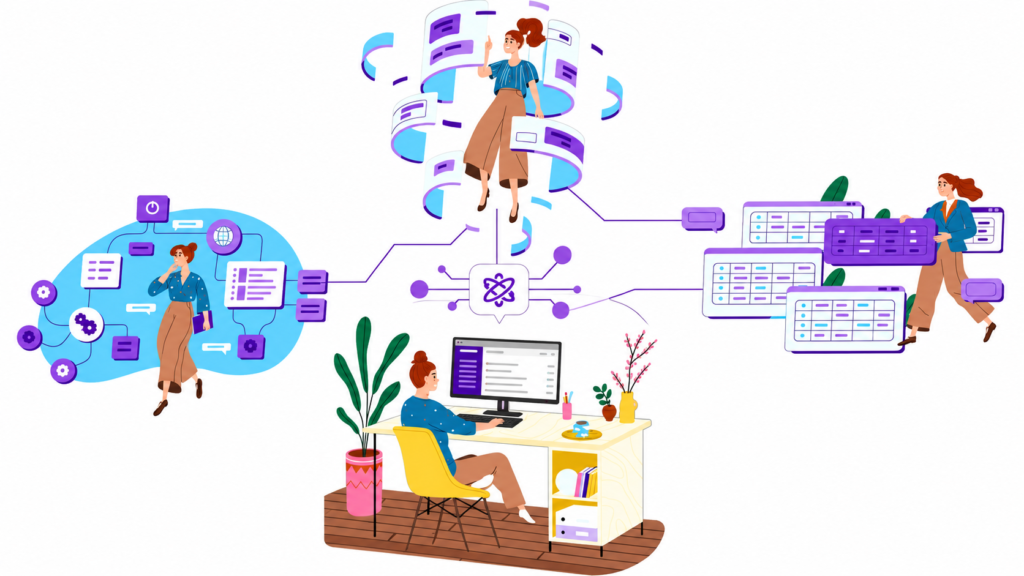
AI accounting software can:
- Track expenses
- Generate invoices
- Calculate taxes
- Prepare financial reports
- Monitor cash flow
- Detect unusual transactions
Benefits
- Improved accuracy
- Faster bookkeeping
- Better financial visibility
- Reduced paperwork
AI for Social Media Management
Creating daily social media content can be overwhelming.
AI helps by:
- Writing captions
- Suggesting hashtags
- Designing graphics
- Scheduling posts
- Analyzing engagement
- Recommending the best posting times
This allows businesses to maintain an active online presence with less effort.
AI for Email Marketing
Email marketing remains one of the highest-return digital marketing strategies.
AI improves it by:
- Personalizing emails
- Writing subject lines
- Segmenting subscribers
- Scheduling campaigns
- Predicting open rates
- Optimizing send times
As a result, businesses often achieve higher open and click-through rates.
AI for Data Analysis
Business decisions should be based on data rather than guesswork.
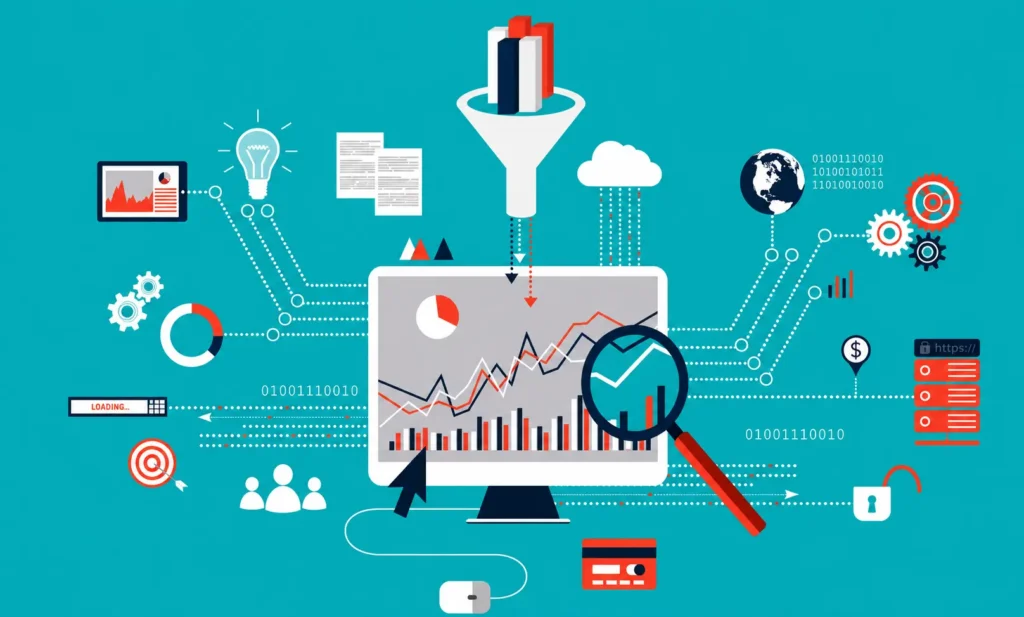
AI can analyze:
- Customer behavior
- Sales trends
- Website traffic
- Marketing performance
- Inventory levels
- Customer satisfaction
These insights help owners make smarter and more profitable decisions.
AI for Inventory Management
Retail businesses can use AI to manage stock more efficiently.
AI helps by:
- Predicting demand
- Preventing stock shortages
- Reducing excess inventory
- Tracking product movement
- Forecasting seasonal sales
This minimizes waste and improves profitability.
Choosing the Right AI Tool
Not every business needs every AI solution.
When selecting an AI tool, consider:
- Your business size
- Monthly budget
- Ease of use
- Integration with existing software
- Customer support
- Available features
- Security and privacy
Starting with one or two tools is often the best approach before expanding.
Common Challenges of Using AI
Although AI offers many advantages, it also has limitations.
Potential Challenges
- Learning curve for new users
- Subscription costs
- Data privacy concerns
- Occasional inaccurate responses
- Dependence on internet connectivity
- Need for human review
Businesses should treat AI as a helpful assistant rather than a complete replacement for human expertise.
Best Practices for Using AI
To maximize the value of AI:
- Start with one business process.
- Train employees on the tool.
- Review AI-generated content before publishing.
- Monitor results regularly.
- Protect customer data.
- Keep software updated.
- Combine AI with human creativity.
Following these practices ensures better outcomes and long-term success.
Future of AI in Small Business
AI technology continues to improve rapidly. Future developments are expected to include:
- More intelligent virtual assistants
- Better customer personalization
- Advanced predictive analytics
- Improved voice assistants
- Automated business planning
- Smarter financial forecasting

Businesses that adopt AI early will likely gain a competitive advantage and adapt more easily to future market changes.
Frequently Asked Questions (FAQs)
AI tools are software applications that automate tasks such as content creation, customer support, accounting, marketing, and data analysis, helping businesses operate more efficiently.
Yes. Many AI tools offer free plans or affordable monthly subscriptions, making them accessible even for startups and small businesses.
ChatGPT, Jasper AI, and Copy.ai are among the most popular AI tools for creating blogs, social media posts, emails, and marketing content.
No. AI is designed to assist employees by automating repetitive tasks. Human creativity, judgment, and decision-making remain essential for business success.
AI reduces costs by automating repetitive work, minimizing errors, improving productivity, reducing customer service expenses, and optimizing business operations.
Most modern AI tools are designed with user-friendly interfaces and require little or no technical knowledge, making them suitable for beginners.
Yes. AI-powered chatbots provide instant responses, answer common questions, assist with order tracking, and offer 24/7 support, improving customer satisfaction.
Almost every industry can benefit from AI, including retail, healthcare, education, real estate, finance, e-commerce, hospitality, marketing, and professional services.
Conclusion
Artificial Intelligence is transforming the way small businesses operate. From marketing and customer service to accounting and inventory management, AI tools help companies work more efficiently while reducing costs.
The biggest advantage of AI is not replacing people but empowering them to focus on creativity, strategy, and business growth. Even with a small budget, business owners can access powerful AI solutions that were once available only to large enterprises.
By choosing the right AI tools and implementing them gradually, small businesses can save time, cut costs, improve customer satisfaction, and grow faster in today’s competitive marketplace.