
Lead Generation Strategies: How to Attract and Convert More Customers
In today’s competitive digital marketplace, businesses need more than just a great product or service to succeed. They need a consistent way to attract potential customers and turn them into paying clients. This process is known as lead generation, and it plays a critical role in business growth. Whether you run a startup, an eCommerce store, a local business, or a large enterprise, generating quality leads is essential for maintaining a healthy sales pipeline and increasing revenue.
Lead generation involves attracting people who are interested in your products or services and encouraging them to share their contact information or engage with your business. Modern consumers are more informed than ever before. They research solutions, compare options, read reviews, and seek expert advice before making purchasing decisions. As a result, businesses must focus on providing value and building trust throughout the customer journey.
A successful lead generation strategy does not rely on a single marketing channel. Instead, it combines various tactics that work together to attract, engage, and nurture potential customers. From content marketing and search engine optimization to social media and email campaigns, businesses have numerous opportunities to generate leads and drive long-term growth.
Why Lead Generation Matters for Business Growth
Lead generation serves as the foundation of every successful marketing and sales strategy. Without a steady flow of prospects, businesses often struggle to achieve consistent growth. Effective lead generation helps organizations identify people who are already interested in their products or services, making it easier to convert them into customers.
One of the biggest advantages of lead generation is improved marketing efficiency. Instead of targeting broad audiences with generic messages, businesses can focus their efforts on individuals who are more likely to make a purchase. This targeted approach often results in better conversion rates and lower customer acquisition costs.
Lead generation also supports brand awareness and credibility. By consistently providing valuable information and engaging with potential customers, businesses establish themselves as trusted authorities within their industries. When prospects view a company as knowledgeable and reliable, they are more likely to choose its products or services over competitors.
Additionally, lead generation creates opportunities for long-term relationship building. Not every prospect is ready to buy immediately, but with proper nurturing and communication, businesses can remain top-of-mind until the customer is ready to make a decision.
Top Lead Generation Strategies
Businesses today have access to numerous lead generation methods, but some strategies consistently deliver better results than others. Combining multiple approaches often creates the strongest and most sustainable lead generation system.
Content Marketing and Lead Magnets
Content marketing remains one of the most effective ways to attract potential customers. People actively search online for answers to questions, solutions to problems, and information that helps them make informed decisions. Businesses that provide useful content can attract highly targeted audiences while building trust and credibility.
Blog posts, guides, tutorials, case studies, and industry insights can all contribute to successful lead generation efforts. Rather than focusing solely on promoting products, businesses should create content that addresses customer pain points and provides practical value.
Lead magnets can further enhance content marketing strategies. A lead magnet is a valuable resource offered in exchange for contact information. Examples include eBooks, checklists, templates, whitepapers, and industry reports. Since these resources provide immediate value, they encourage visitors to share their information and become leads.
The key to successful content marketing is consistency. Regularly publishing high-quality content helps businesses build authority, improve search rankings, and maintain audience engagement over time.
SEO and Organic Traffic
Search engine optimization (SEO) is one of the most cost-effective lead generation strategies because it targets users who are actively searching for solutions. Unlike paid advertising, which stops generating traffic when budgets run out, SEO can continue driving visitors to a website for months or even years.
A strong SEO strategy begins with keyword research. Businesses should identify the terms and phrases their target audience uses when searching for products or services. By incorporating these keywords naturally into website content, blogs, and landing pages, companies can improve their visibility in search engine results.
Website performance is equally important. Fast-loading pages, mobile-friendly designs, secure browsing experiences, and clear navigation all contribute to better rankings and user satisfaction. Search engines prioritize websites that provide positive experiences for visitors.
Local SEO can be especially valuable for businesses serving specific geographic areas. Optimizing local listings, collecting customer reviews, and targeting location-based keywords can help attract nearby customers who are ready to take action.
As organic traffic grows, businesses gain access to a steady stream of qualified prospects who are actively looking for information or solutions.
Paid Advertising and Retargeting
While organic strategies provide long-term benefits, paid advertising offers faster results. Pay-per-click (PPC) advertising allows businesses to appear in front of users who are actively searching for products or services. Since these individuals often have strong purchase intent, PPC campaigns can generate highly qualified leads.
Social media advertising also offers powerful lead generation opportunities. Businesses can create campaigns specifically designed to capture contact information, schedule consultations, or promote special offers.

Retargeting is another highly effective strategy. Many visitors leave a website without taking action during their first visit. Retargeting campaigns display ads to those visitors as they browse other websites or social media platforms, reminding them about the business and encouraging them to return.
Because retargeting focuses on individuals who have already shown interest, it often produces higher conversion rates than standard advertising campaigns.
Social Media and Email Marketing
Social media platforms have become powerful lead generation tools because they allow businesses to connect directly with potential customers. Platforms such as LinkedIn, Facebook, Instagram, and X enable brands to share content, engage in conversations, and build relationships with their audiences.
Successful social media marketing focuses on providing value rather than constant promotion. Educational posts, industry insights, customer success stories, and helpful tips often generate higher engagement than purely sales-focused content. Consistent interaction with followers helps strengthen trust and encourages potential customers to learn more about the business.
Paid social media advertising can further increase lead generation opportunities. Advanced targeting options allow businesses to reach specific demographics, interests, and behaviors, ensuring their messages are seen by relevant audiences.
Once leads are captured, email marketing becomes a powerful tool for nurturing relationships. Many prospects need time before making a purchase decision, and email campaigns help businesses stay connected during this process.
Effective email marketing includes personalized content, educational resources, company updates, and relevant recommendations. Automated email sequences can guide prospects through the sales funnel, delivering the right information at the right time while reducing manual effort.
Test the Speed of Your Website
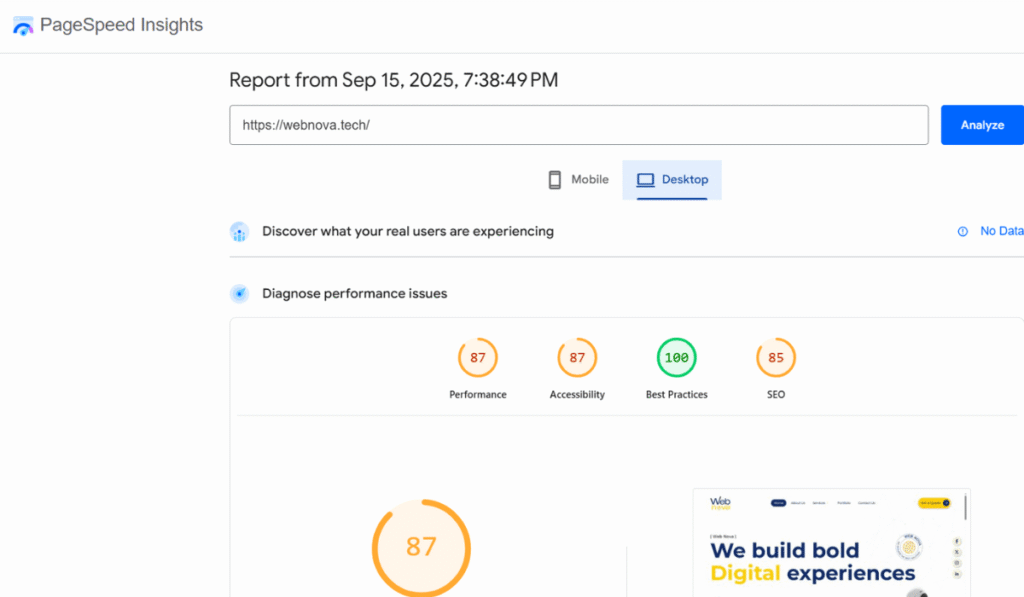
The first step in fixing a slow website is always to test its current performance. Without testing, it is impossible to know whether your website loads in three seconds or ten seconds, and it is equally difficult to measure improvements after optimization. There are many free and reliable tools available online that provide detailed speed reports. Google PageSpeed Insights is one of the most popular tools because it gives both mobile and desktop performance scores along with actionable recommendations.
GTmetrix is another excellent choice as it shows loading time, total page size, and requests made by the browser. Similarly, Pingdom Website Speed Test offers an easy-to-understand summary of performance issues. When you test your site, pay attention to three main metrics: First Contentful Paint (FCP), which measures how fast the first piece of content appears; Time to Interactive (TTI), which shows how soon the site becomes usable; and overall page load time. These results will serve as a benchmark to compare improvements once you apply optimization techniques.